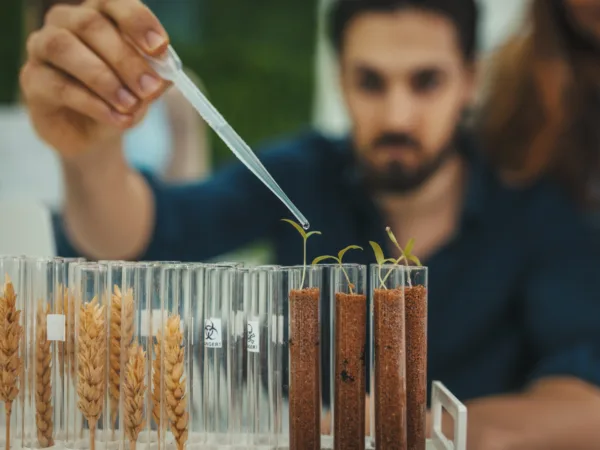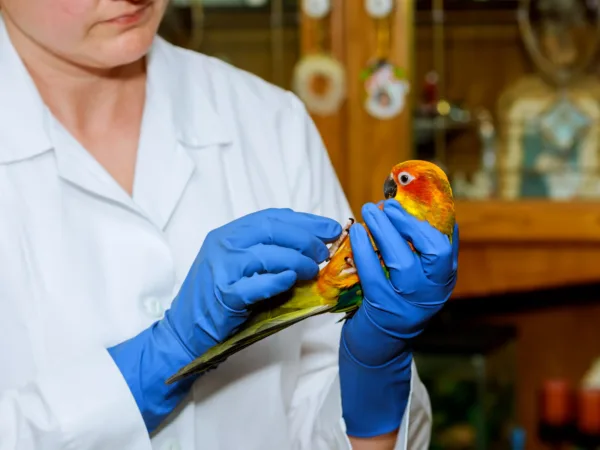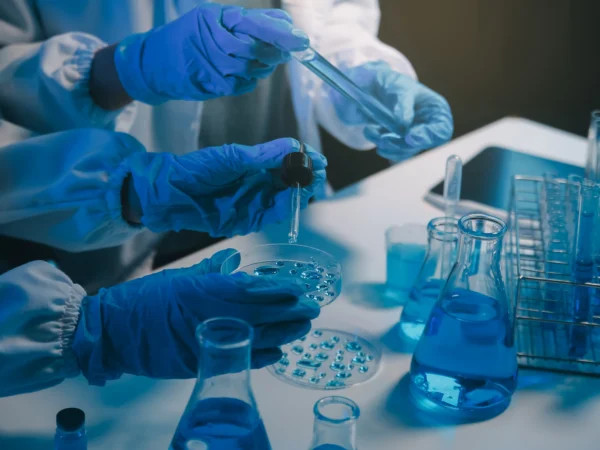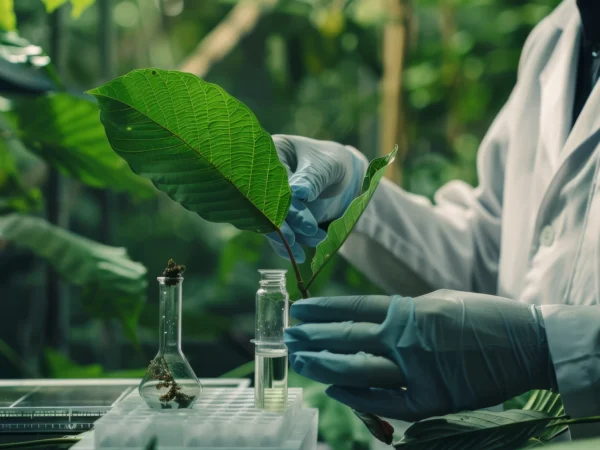

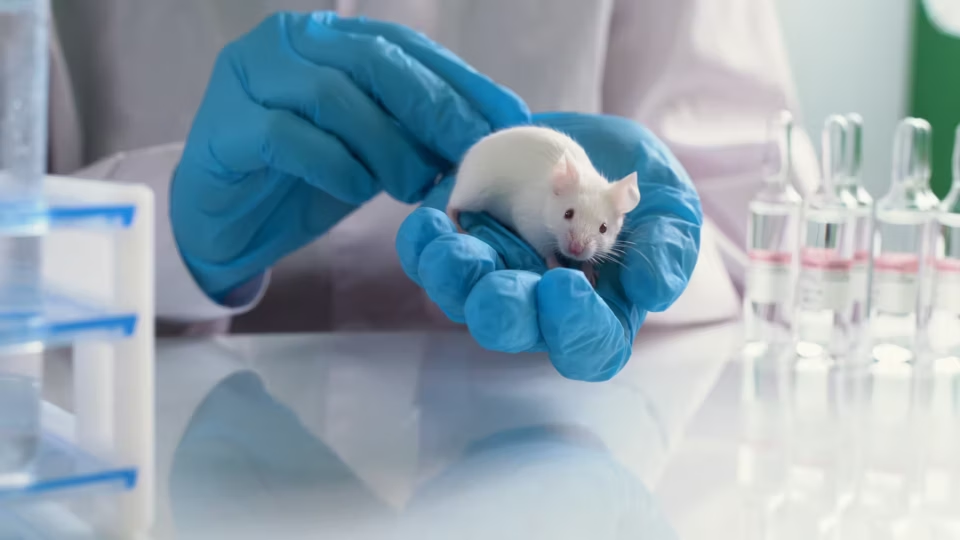
Though many chemicals provide significant benefits to human population such as crop protection through anti-microbial activity; over the years their indiscriminate use in various forms and their long term exposure has resulted in adverse effects and long term impacts on the reproductive system, foetus and offspring. Some of the major concerns have been mutagenic effects, teratogenicity, and others resulting in foetal abnormalities and birth defects. The Development and Reproductive Toxicology DART studies ensure the safety of chemicals especially on vulnerable sub-populations and complete spectrum of reproduction.
At VIMTA, we conduct a range of DART studies to understand the effects of agrochemicals, household and industrial chemicals and pharmaceutical products on pregnant mothers and their developing foetus